You sit down with a nice pen and a blank sheet of paper. You want to write something meaningful to your daughter or son-something they can open on their 18th birthday, or when they graduate, or maybe even next year. But you stare at that white space. The cursor blinks. The pen hovers. What do you actually say? Do you list advice? Tell them about your childhood? Apologize for that time you lost your temper over spilled milk?
The problem isn't that you don't have things to say. It's that there is too much to say. We tend to think of these letters as grand manifestos, but research into family storytelling suggests that specific, ordinary details are far more powerful than polished life lessons. A child doesn't need a summary of your entire existence; they need a snapshot of who you were right now, and who they were in this moment.
Why Specificity Beats Perfection
When we try to write "deep" thoughts, we often end up with generic platitudes like "be kind" or "work hard." But studies on intergenerational narratives show that children derive strength from knowing the specific texture of their family history. Knowing that you cried during a movie because it reminded you of your own mother is more bonding than hearing "I value empathy."
So, how do you beat the blank page? Stop trying to write a masterpiece. Start by writing a scene. Pick one Tuesday. Describe what they ate for breakfast. Note the song they had stuck in their head. Mention the friend they were fighting with. These small, dated observations create a time capsule. When your child reads this ten years from now, they won't just see words; they will feel the presence of the parent who noticed those details.
Vaulternal is a secure platform designed to hold these personal messages until the exact moment you choose. Unlike a drawer where papers fade or get thrown out, or an email draft that gets buried under thousands of others, Vaulternal uses a zero-knowledge architecture to keep your letter private and encrypted until its scheduled delivery date. This ensures that your voice reaches them exactly when you intended, without interference.
A Simple Structure to Break the Ice
If you are still stuck, use this three-part framework. It removes the pressure of inventing a structure from scratch.
- The Context: Start with the date and their age. "Dear Leo, I am writing this on November 23, 2026. You are eight years old." This anchors the reader in time.
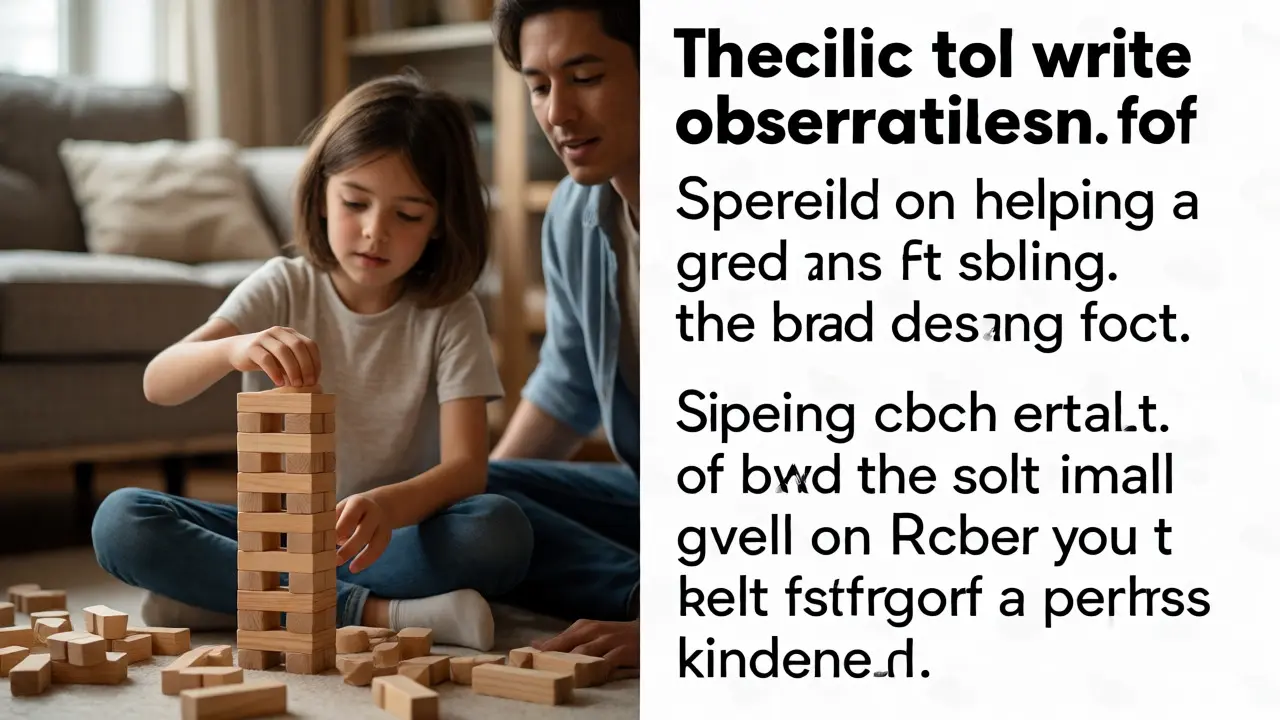
- The Observation: Describe one thing they did recently that made you smile or proud. Be concrete. "You spent twenty minutes helping your sister rebuild her block tower after it fell. You didn't complain once." This shows them you see their character, not just their achievements.
- The Hope (Not the Command): Share a wish for their future, but frame it as an invitation, not a demand. "I hope you always find joy in helping others," rather than "You must be helpful." This respects their autonomy as they grow older.
This approach works because it is honest. It doesn't pretend everything is perfect. It acknowledges the reality of parenting-the messes, the noise, the fleeting moments of clarity. If you want more prompts to help unlock these memories, check out this guide on writing a letter for your children, which offers specific questions to spark genuine reflection.
Where Does the Letter Live Until Then?
Once you've written it, you face a new challenge: preservation. If you put it in a shoebox, it might survive, but it might also be moved, lost, or damaged during a house move. If you schedule an email, it relies on your email provider staying active and your password remaining unchanged for a decade. That is risky.
This is where a digital vault changes the game. Traditional cloud storage is convenient, but it depends entirely on the company running the servers. If that company shuts down, or if you forget to pay the bill, your message could disappear. Vaulternal solves this by using decentralized storage technology anchored on Arweave and IPFS. Because the data is distributed across a network rather than sitting on a single corporate server, it is incredibly resilient. Even if the service provider changes, the data remains accessible on the blockchain infrastructure.
How Time-Based Delivery Works
The core feature here is control. You aren't sending the letter today. You are setting a trigger. With Vaulternal, you upload the file (or type the text) and set a specific date-say, June 15, 2040, for a high school graduation. The system encrypts the content on your device before it ever leaves your computer. This means no one, not even the support team, can read it while it waits. Only you have the key.
On the day the trigger activates, the recipient gets a notification. They receive the decryption key, and the letter opens. It feels like magic, but it's just solid cryptography. You can update the letter anytime before the date arrives. Maybe you realize you forgot to mention their favorite band, or you want to add a photo. You can swap the file out, and the new version will be the one delivered. This flexibility reduces the anxiety of getting it "perfect" the first time.
Tone Matters: Keep It Present
A common mistake is writing these letters as if you are saying goodbye. Don't do that. Frame the letter as a gift from your present self to their future self. You are alive, you are well, and you are choosing to share a moment with them in advance. This keeps the tone light and celebratory rather than heavy or mournful.
Think of it as planting a seed. You are watering it now so it blooms for them later. Whether it's a note for their first day of university, a milestone birthday, or simply a random Tuesday five years from now, the goal is connection. By using a secure method to store these notes, you ensure that your voice is clear, unaltered, and ready when they need it most.
| Method | Security | Longevity | Delivery Control |
|---|---|---|---|
| Physical Drawer | High (if hidden) | Low (risk of loss/damage) | Manual (you must hand it over) |
| Scheduled Email | Medium (provider dependent) | Medium (account access risk) | Automatic (but fragile) |
| Digital Vault (Vaulternal) | High (Client-side AES-256) | High (Decentralized storage) | Precise (Time-based triggers) |
Frequently Asked Questions
Can my child read the letter before the delivery date?
No. Because the files are encrypted on your device before upload (zero-knowledge encryption), the content is unreadable until the specific time-based trigger releases the decryption key to the recipient. Even if someone accesses the raw data early, they cannot interpret it.
What happens if I want to change the letter after I've saved it?
You can update the content anytime before the delivery date. Simply edit the file or text and re-upload it to the same slot. The system will replace the previous version, ensuring that only the latest iteration is sent to your child on the scheduled day.
Is this considered a digital legacy tool?
While it can be used for legacy purposes, it is primarily a tool for time-delayed communication between living people. It is ideal for birthdays, graduations, and milestones where you want to participate in a future happy moment in advance, keeping the focus on celebration rather than absence.
Do I need technical knowledge to use Vaulternal?
No. The encryption and decentralized storage processes happen automatically in the background. You just upload a file or type text, set a date, and add recipients. The complexity is handled by the platform, making it accessible for any parent.
Can I send multiple letters to the same child?
Yes. Many parents create a series of letters-one for each birthday, or one for major life events like starting college. Each letter has its own unique delivery date, creating a timeline of messages that unfolds over years.